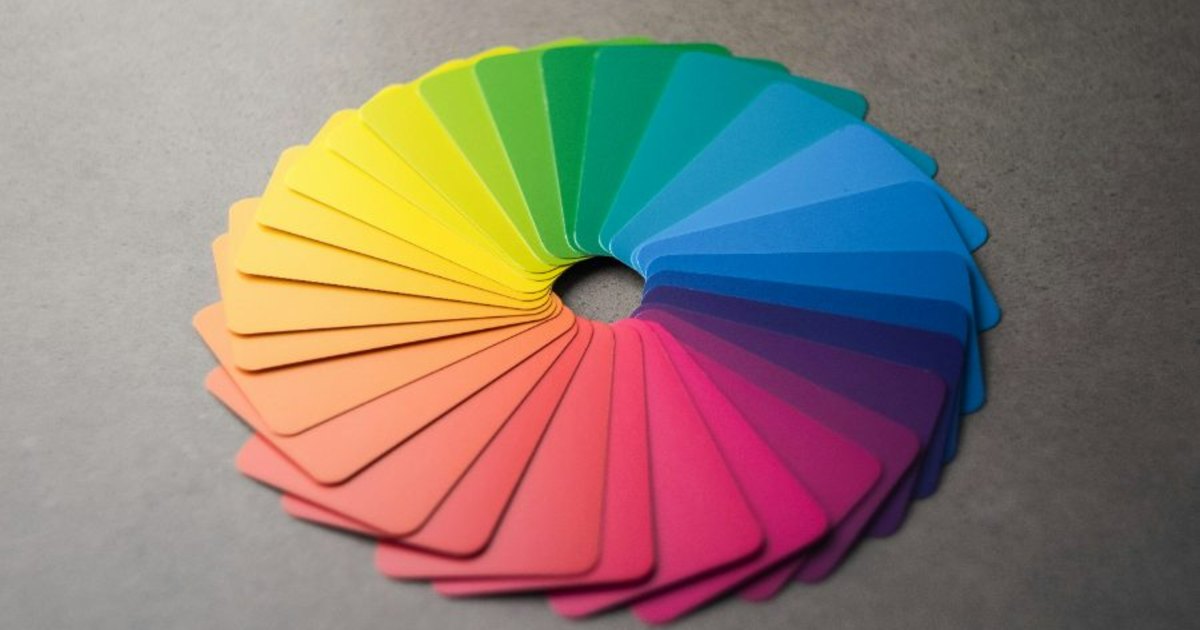
Some colours make you look like yourself, only sharper. Others make you look tired. Most people know this intuitively — they just don't know why. Closet Remix answers it with five quick signals about your natural colouring, and lands you in one of twelve seasons. This page walks through exactly what those signals are.
You don't have to read the whole method to get your answer. Take the free colour quiz → — the same five-signal assessment the app uses, with ten swatches to hold against your wardrobe tonight. No sign-up.
Why colour analysis
The fashion industry sells colour by trend. Last year's mocha mousse, this year's butter yellow. Both will sit in your wardrobe, unworn, if they fight your skin. Colour analysis flips the question: instead of asking what colours are in, it asks what colours work on you — and then sticks with the answer for life. Your undertones don't change with the seasons.
The pay-off is practical. A wardrobe built around your palette photographs better, mixes better, and shrinks. You stop owning three jumpers in shades that almost work. You start owning one that genuinely does.
The five signals
Closet Remix reads five things about your natural colouring. Do this in daylight if you can — near a window, no direct sun, no make-up. Each signal is a single, honest observation.
1 — Hair
Your natural hair colour, as it is now. The app offers a row of shades from platinum and ash blonde through golden blonde, warm and ash brown, auburn, warm and cool black, to white and grey. Some of these read warm (golden blonde, warm brown, auburn), some cool (ash tones, cool black), some sit neutral. Gone grey? There's a dedicated option for that — see the note under How it adds up.
2 — Eyes
The dominant colour of your iris: blue, blue-grey, grey, cool or warm green, grey-green, hazel, amber, or brown. As with hair, each reads warm, cool, or neutral. Blues and greys lean cool; hazel, amber and brown lean warm.
3 — Skin
Hold a piece of white fabric near your face in natural light and ask one question: does your skin look warm and golden/peachy, pink, rosy or bluish (cool), or about the same either way (neutral)? This is your undertone — the hardest signal to read alone, which is why the fabric helps.
4 — Depth
How light or dark is your colouring overall, hair and skin together? Light — both are light in tone. Medium — a mix of light and dark. Deep — hair or skin is deeply pigmented.
5 — Contrast
Compare your hair to your skin. Low — they're similar in depth, you blend together. Medium — a noticeable difference. High — strong contrast, your features stand out. Contrast is what tells soft, muted seasons apart from clear, bright ones.
How it adds up
The five signals resolve into three things, and those three name your season:
- Undertone (warm / cool / neutral) — a simple tally of your hair, eyes and skin. Whichever direction wins, wins; a tie reads neutral.
- Depth (light / medium / deep) — taken straight from signal 4.
- Chroma (soft / medium / clear) — taken from your contrast: low contrast reads soft, high contrast reads clear.
Cross those three and you land in one of twelve seasons. That's the whole engine — no photo upload, no algorithm guessing from a selfie, just five observations you can make yourself.
Grey and white hair no longer carries a reliable undertone, so the assessment simply stops counting it — your eyes and skin decide your warm/cool balance instead. Everything else works exactly the same.
Confirm it with a friend
The five signals are enough on their own. But if you want to double-check — especially the undertone, which is the easy one to misread — the old fabric-drape test is a lovely confirmation, and more fun with company.
- Drape your shoulders with a clean white sheet so the only colour against your face is the fabric you're testing. No make-up, natural light.
- Hold up squares of fabric one at a time — pure white, ivory, soft grey, charcoal, deep navy, bright red, dusty rose, mustard, sage. Fabric scraps or even coloured paper will do.
- For each, ask: does my face come forward, or does the fabric? The colours that make your face win are your colours.
- Ivory over pure white flattering → warm. Pure white winning → cool. Soft, dusty tones flattering → soft chroma. Deep, saturated tones flattering → clear chroma.
It's nearly impossible to read your own face under fabric without a second pair of eyes — recruit someone honest. If the drape and the quiz disagree, trust the drape on undertone; it's the most direct test there is.
The twelve seasons
The four classic seasons each split into three, giving twelve. Here are the names Closet Remix uses, grouped by their shared character.
Spring — warm and fresh
- Light Spring. Warm undertone, light depth, soft chroma. Buttery yellow, soft apricot, mint, light aqua.
- Warm Spring. Warm undertone, medium depth, clear chroma. Coral, golden yellow, turquoise, warm peach.
- Clear Spring. Warm-to-neutral undertone, medium depth, high chroma. Bright red, electric aqua, hot pink, vivid orange.
Summer — cool and soft
- Light Summer. Cool undertone, light depth, soft chroma. Powder blue, lilac, dusty rose, soft cream.
- Cool Summer. Cool undertone, medium depth, balanced chroma. Lavender, sage, steel blue, cool pink.
- Soft Summer. Neutral-cool undertone, medium depth, low chroma. Soft taupe, dusty violet, blue-grey, mushroom.
Autumn — warm and rich
- Soft Autumn. Neutral-warm undertone, medium depth, low chroma. Soft gold, warm taupe, sage, caramel.
- Warm Autumn. Warm undertone, medium depth, balanced chroma. Burnt orange, olive, terracotta, deep teal.
- Deep Autumn. Warm undertone, deep depth, rich chroma. Dark chocolate, forest, maroon, dark olive.
Winter — cool and striking
- Cool Winter. Cool undertone, deep depth, balanced chroma. Midnight blue, burgundy, cobalt, charcoal.
- Clear Winter. Cool-to-neutral undertone, deep depth, high chroma. True red, emerald, fuchsia, black and white.
- Deep Winter. Cool undertone, deep depth, bold chroma. Black, cobalt, crimson, pure white.
Season names vary between colour-analysis approaches. Some systems use True, Bright or Dark for a few of these — a Warm Spring is elsewhere called a True Spring, a Clear Winter a Bright Winter, a Deep Autumn a Dark Autumn. Same colouring, different label.

Building your palette
Once you know your season, the wardrobe rule is simple: choose seven to ten colours that sit clearly inside your season's range, and let those be the working palette of every garment you bring in for the next year.
A balanced personal palette has roughly:
- Three neutrals — usually a near-black, a near-white and a mid-tone.
- Three to four core colours — your most flattering hues, used on knits, dresses, statement pieces.
- One or two accents — high-saturation colours used in small doses (a scarf, a shoe, a lining).
Most palettes outside the Winter seasons aren't flattered by jet black. If black is your default and you're not a Winter, try charcoal, espresso, or a deep navy — the difference next to your face is often startling.
How to find your skin undertone (in 5 minutes)
Undertone is the constant beneath your skin colour. It does not change when you tan, and it is the single most useful thing to know before you buy anything.
There are three: cool (a blue, pink or rosy cast), warm (golden, peachy or yellow), and neutral (a balance of both, which is more common than the internet suggests). Four quick checks, at a window in daylight, no artificial light:
Take all four together rather than trusting any one of them. Three pointing the same way is a reliable read; a two-two split usually means neutral, which is a genuine answer and not a failure to decide.
Undertone is one of the five signals the quiz uses — hair, eyes, skin, depth and contrast — and it is why two people with the same hair colour can land in different seasons.
Cool vs warm: which colours suit you
Once you know your undertone, the broad direction follows. Cool skin is flattered by colours with blue in them; warm skin by colours with yellow in them. The same nominal colour exists in both versions, which is the part most people miss.
The same colour, two temperatures
Nobody is forbidden anything. This is about which version of a colour does you the most favours — and it is a compass, not a rulebook.
Temperature is only half the story, which is where the twelve seasons come in: depth (how light or dark) and clarity (how soft or bright) do the rest. A Cool Summer and a Cool Winter are both cool, and they suit very different intensities.
In the app
The colour analysis is part of onboarding — a five-step self-assessment, exactly the five signals above, that runs right on your device. At the end you get your season and your colours, and every outfit suggestion leans on them from then on.
You can retake it any time from your Style Profile. If you go grey, run it again — the assessment reads your eyes and skin instead of your hair, and your palette adjusts. If you've been miscoloured for years, knowing you've been miscoloured tends to feel like permission.
Common questions
How do I find my colour season?
Read five signals in daylight: your natural hair, your eyes, your skin, your overall depth, and the contrast between them. Together they place you in one of twelve seasons. You can work through it on this page, or take the free two-minute quiz and get your season and palette straight away.
What are the 12 colour seasons?
Three within each family: Light, Warm and Clear Spring; Light, Cool and Soft Summer; Soft, Warm and Deep Autumn; Cool, Clear and Deep Winter. Some systems use True, Bright or Dark for a few of these — they usually map onto the same twelve.
Can I do colour analysis at home?
Yes, and this guide is written for exactly that. A professional analysis uses fabric drapes held against your face and nothing online replaces it, but a careful self-assessment at a north-facing window gets you a well-informed starting point for free.
How do I find my skin undertone?
Check four things in daylight: whether silver or gold jewellery flatters you more, whether the veins at your wrist look blue or green, whether pure white or cream looks better held under your chin, and whether you burn or tan. Take all four together — three pointing the same way is a reliable read, and a two-two split usually means neutral, which is a real answer rather than an indecisive one.
Cool vs warm — which colours suit me?
Cool skin is flattered by colours with blue in them: raspberry rather than tomato, emerald rather than olive, pure white rather than cream. Warm skin is flattered by colours with yellow in them: coral, brick, camel, chocolate. The same nominal colour exists in both temperatures, so it is less about avoiding red and more about which red. Depth and clarity then narrow it to one of twelve seasons.